
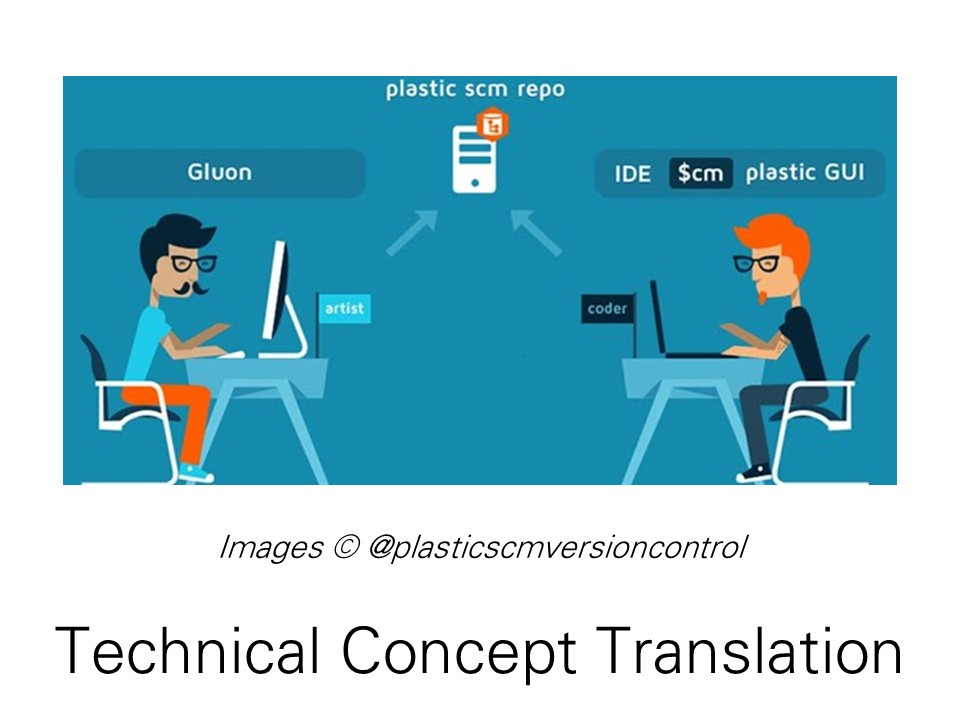
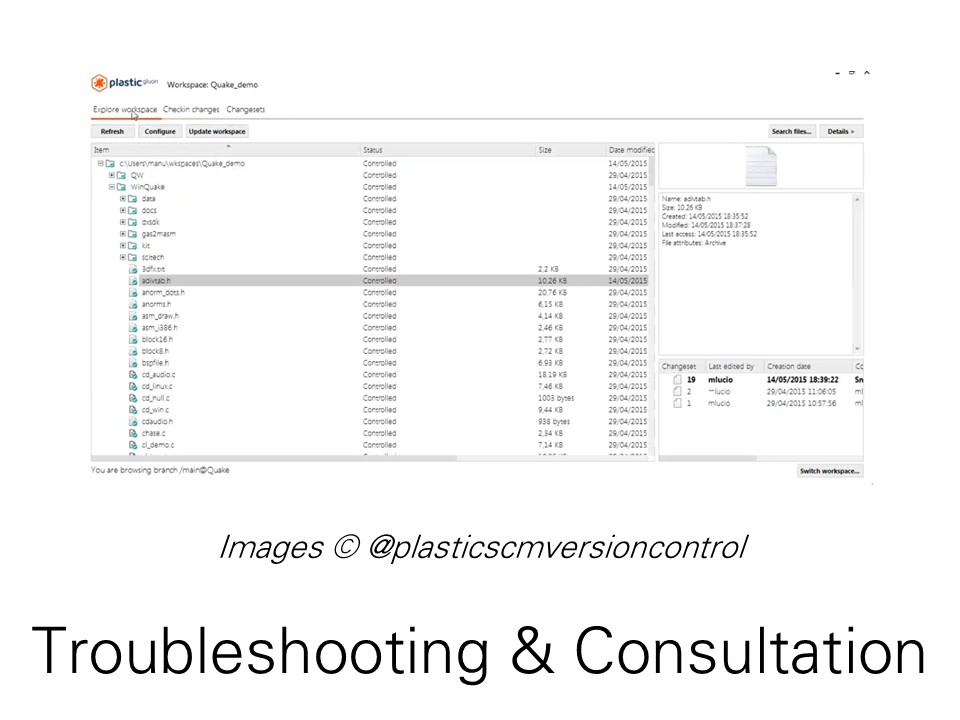
Gluon (Plastic SCM) Enablement & Adoption
Improving Version Control Literacy and Repository Hygiene
- Category: Training & Enablement, Systems Adoption, Process Improvement
- Organization: Integration Innovation, Inc. (i3)
- Project date: 2025
- Considerations: Version control literacy, Data integrity, Storage efficiency, User confidence, Maintainability
- Image Credits: Introducing Gluon by @plasticscmversioncontrol
Problem
- Instructional designers lacked confidence and clarity in using Gluon (Plastic SCM).
- Poor check-in practices and misunderstanding of loading/unloading caused file loss and accidental overwrites.
- Repositories were duplicated in OneDrive, consuming unnecessary storage.
- Workstations slowed due to unmanaged repository loads.
- Many avoided the tool entirely, reverting to email or SharePoint.
Solution
- Self-trained in Gluon workflows and repository management.
- Developed structured reference guides outlining proper check-in, loading, and recovery procedures.
- Delivered multiple internal training sessions focused on practical use cases and common errors.
- Provided follow-up support and one-on-one troubleshooting for complex or malformed setups.
- Established best-practice norms for repository hygiene and storage management.
Results
- Increased team confidence and correct usage of version control workflows.
- Reduced file loss, accidental overwrites, and redundant storage usage.
- Improved workstation performance through proper load management.
- Became primary resource for repository recovery and advanced troubleshooting.
- Strengthened long-term system reliability through improved user behavior.
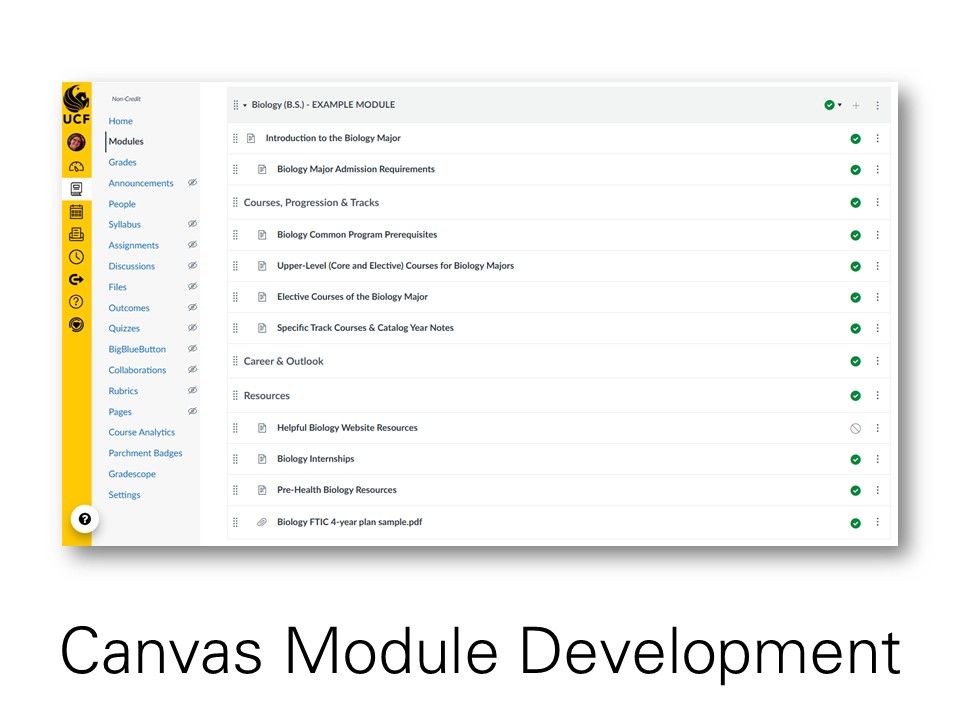
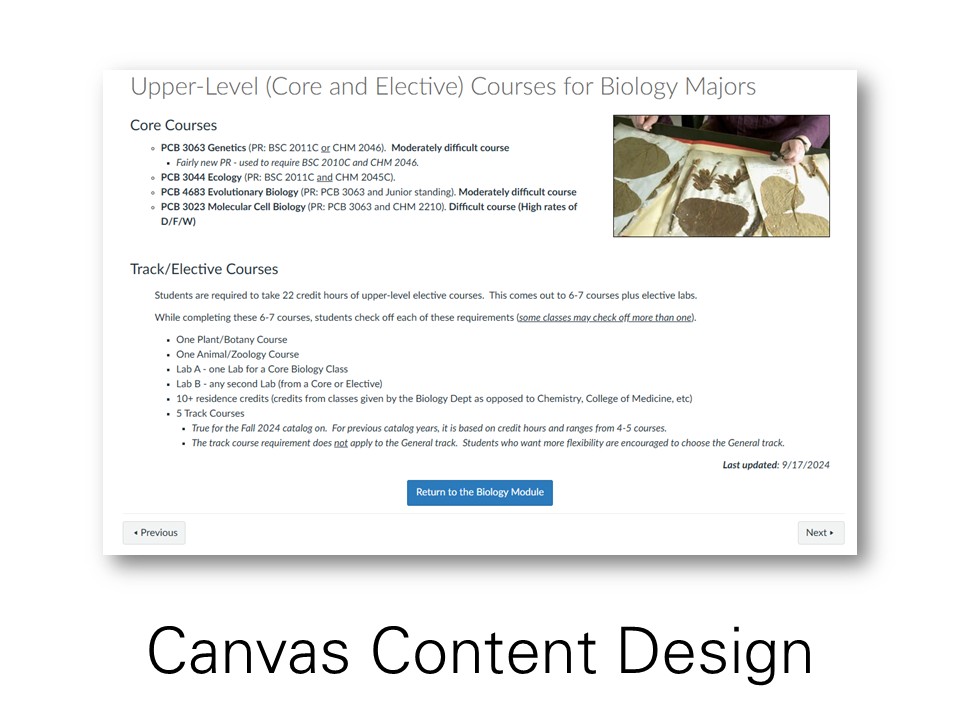
Biology Advising Module Development
Advisor Enablement Through Major-Specific Systems Clarification
- Category: Learning Systems Development, Advisor Training, Process Clarification
- Organization: University of Central Florida
- Project date: 2024
- Considerations: Major complexity, Advisor onboarding accuracy, Faculty alignment, Graduation timeline feasibility, Institutional metrics
Problem
- Biology advising practices varied due to complexity and informal interpretation of requirements.
- New advisors lacked structured onboarding specific to the major.
- Persistent misconceptions led students to take unnecessary coursework and delay graduation.
- Senior students required urgent, accurate pathway correction to graduate on time.
Solution
- Conducted in-depth major research and consulted principal faculty to confirm requirement interpretation.
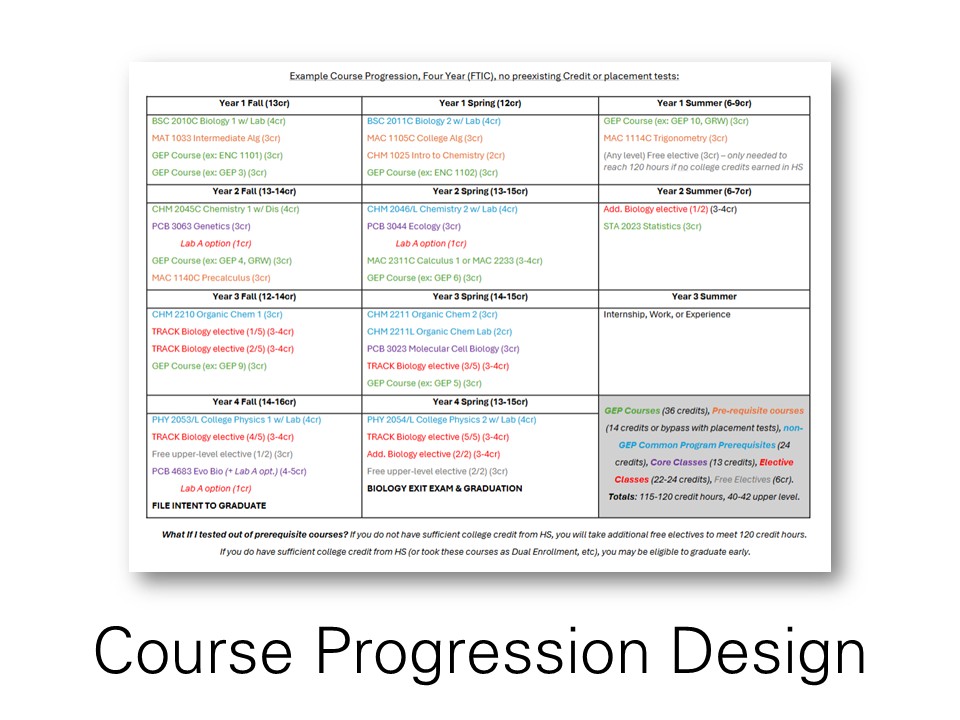
- Developed a structured Biology advising module within a broader advisor training course.
- Created a clear three-year (transfer) and four-year (freshman) course progression model demonstrating on-time feasibility.
- Directly addressed common misconceptions regarding elective requirements.
- Positioned the Biology module as the template for additional major-specific modules.
Results
- Standardized interpretation of Biology graduation requirements.
- Improved onboarding accuracy for new advisors.
- Enabled senior students to construct viable graduation plans within one academic year.
- Established scalable model for major-specific advising modules.
Biology Advising Roadmap Redesign
Preventing Future Misinterpretation Through Structured Information Design
- Category: Information Design, Process Standardization, Advising Support Tools
- Organization: University of Central Florida
- Project date: 2024
- Considerations: Requirement overlap, Visual clarity, Usability during advising sessions, Long-term maintainability
Problem
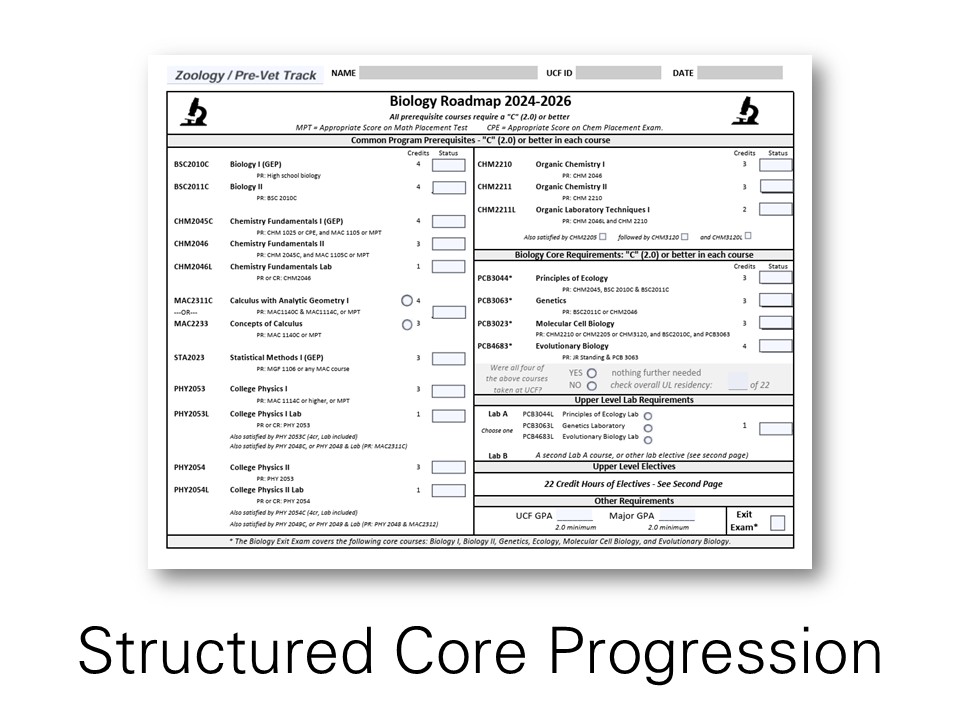
- Existing roadmap documents were dense and open to interpretation.
- Overlap in requirements contributed to planning errors.
- Students left advising appointments with unclear or inconsistent guidance.
Solution
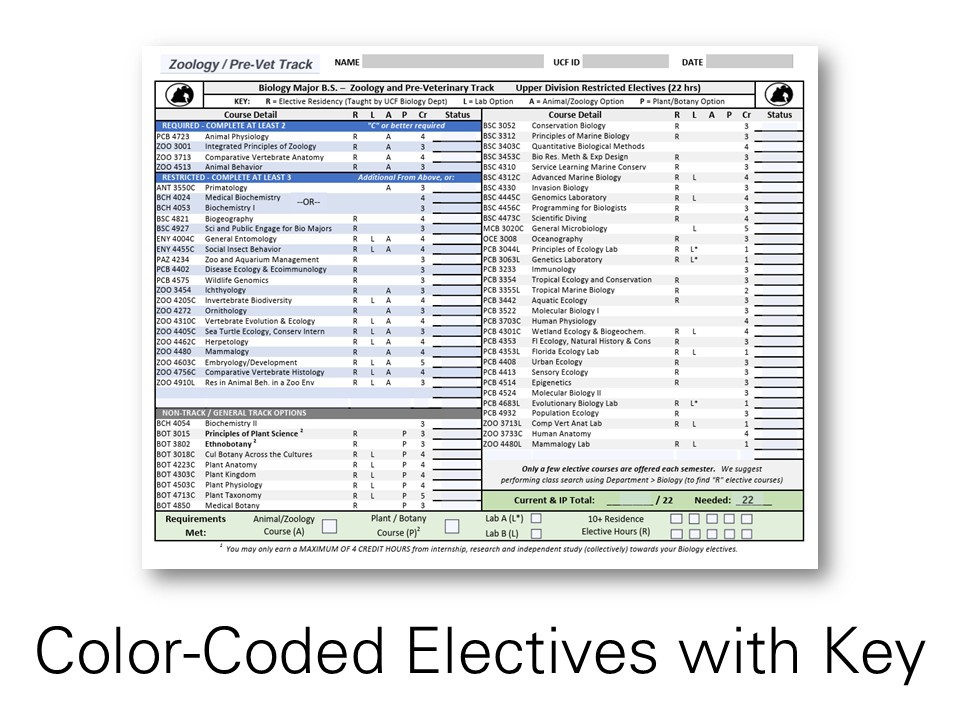
- Redesigned roadmap using improved layout, color coding, and visual grouping.
- Clarified overlapping requirements and removed ambiguous wording.
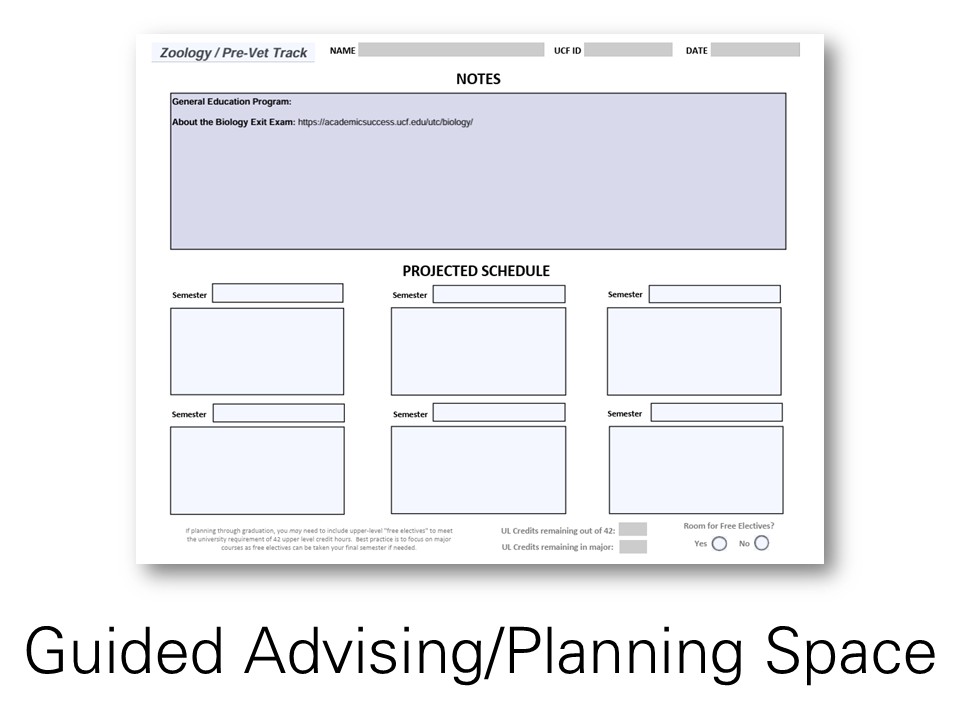
- Integrated structured planning elements to support active advising conversations.
- Created a durable reference tool to reinforce accurate interpretation over time.
Results
- Reduced recurring confusion during advising sessions.
- Improved student confidence in graduation planning.
- Strengthened long-term consistency of Biology advising guidance.
- Provided a reusable template for future roadmap refinements.
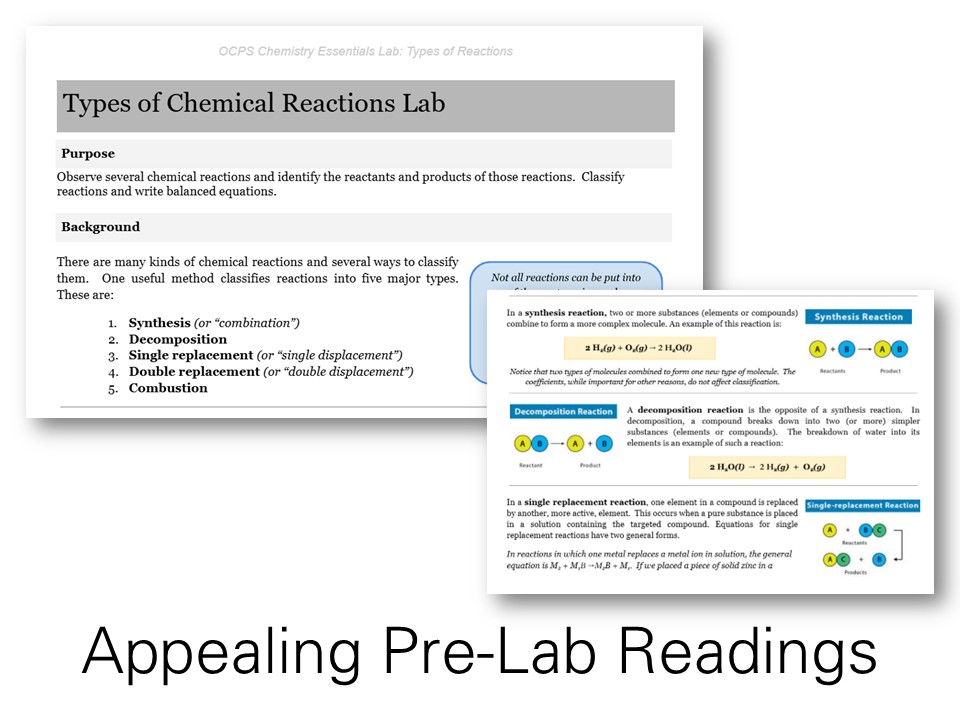
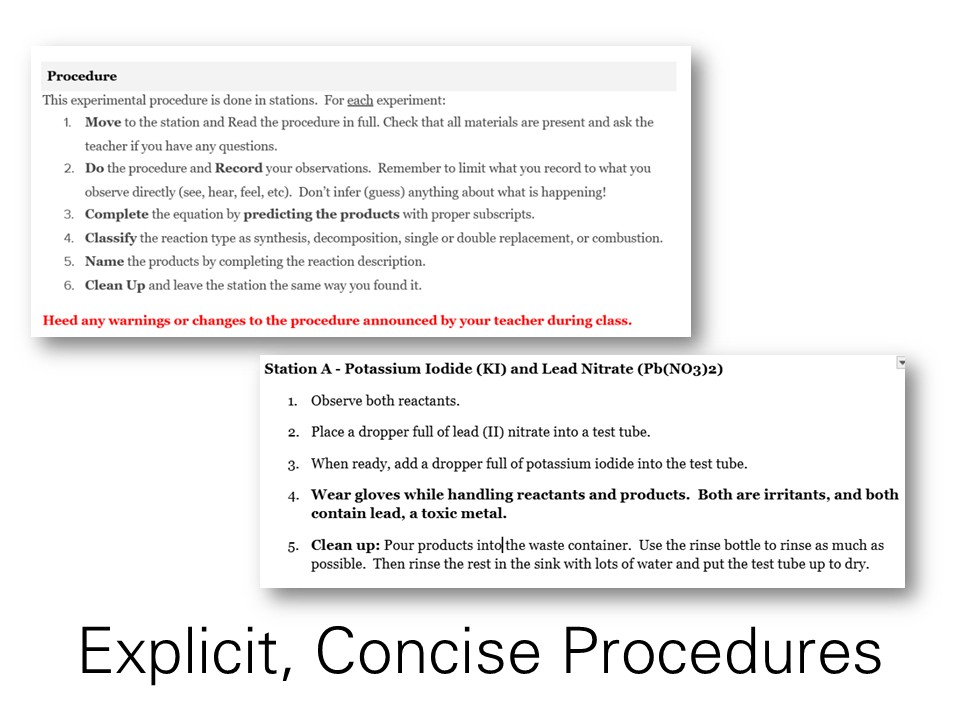
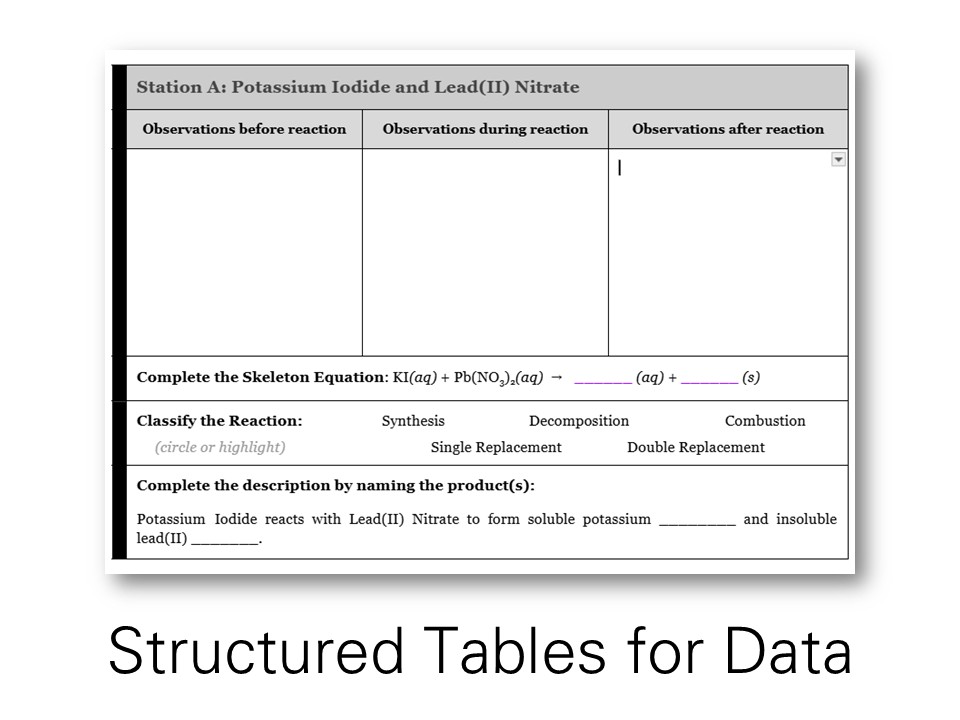
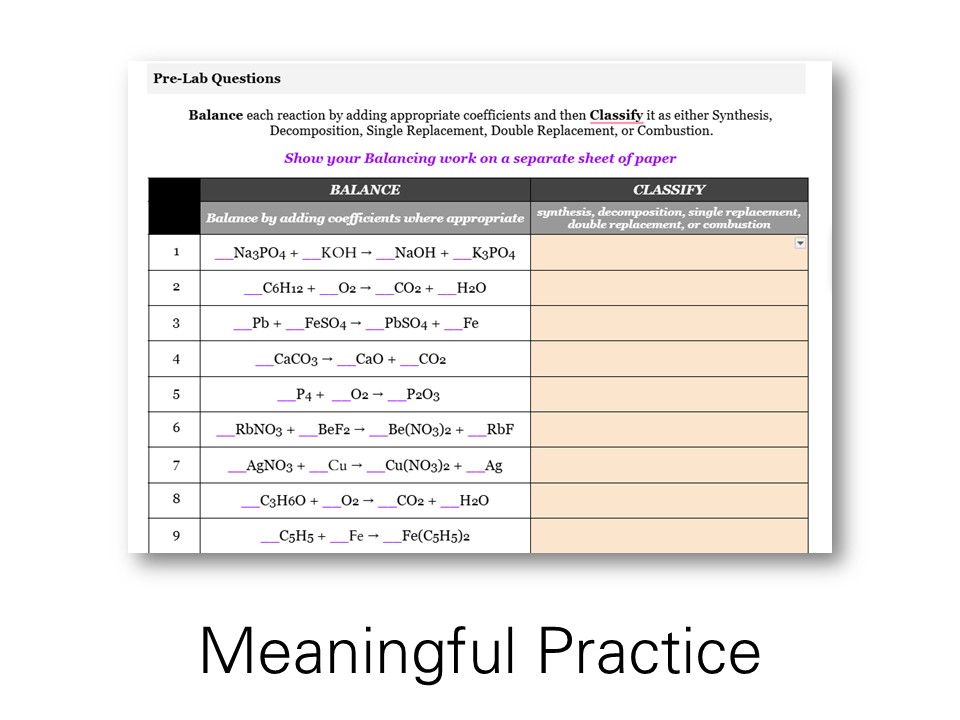
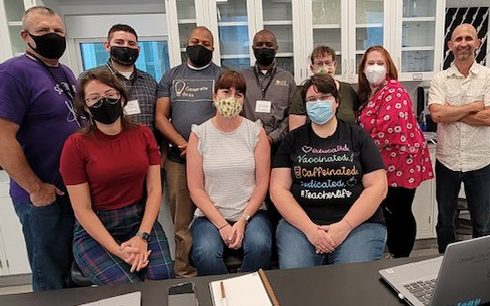
Lab Document Design and Professional Development Training Presentation
Standards-Aligned Curriculum Development & Teacher Enablement
- Category: Curriculum Design, Leadership, Training & Enablement
- Organization: Orange County Public Schools
- Project date: 2021–2023
- Considerations: Florida Sunshine State Standards alignment, Equity of access across schools, Lab safety, Resource variability, Teacher adoption and clarity
Problem
- Inconsistent lab experiences across more than twenty district high schools.
- Variability in materials, procedures, and instructional clarity.
- Need for standards-aligned, scalable laboratory curriculum.
Solution
- Collaborated on development of structured, standards-aligned chemistry labs for district-wide publication.
- Created student-facing documents, teacher guides, procedures, materials lists, and supporting instructional media.
- Presented and facilitated workshops to support teacher implementation and adoption.
- Contributed to both physical and digital lab resources for scalable use.
Results
- Published and distributed standardized lab curriculum across the district.
- Increased consistency in instructional delivery.
- Improved teacher clarity and implementation confidence.
- Expanded equitable access to high-quality lab experiences.